

ESP 171 Urban and Regional Planning


Spring 2008

 Lectures     

 TTh 12:10 – 1:30      Haring 1204

 Sections     

M 9 – 9:50                  2120J Wickson

M 10 – 10:50             2120J Wickson

M 1:10 – 2:00            1060 Bainer

 Instructor    

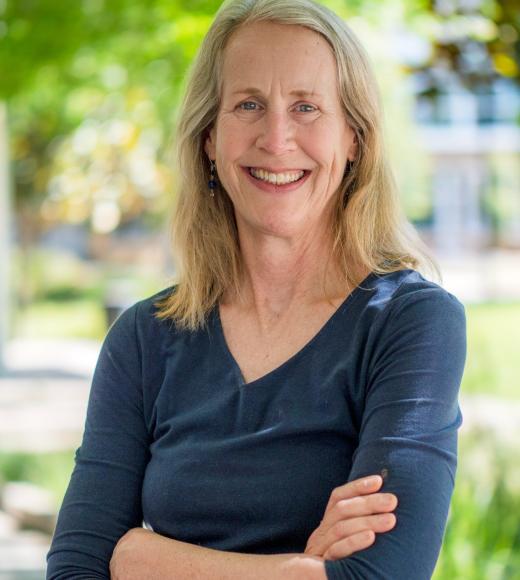
 Susan Handy

 Office:                        2142 Wickson Hall

 Office hours:              TTh 3:00 – 4:30 pm

 e-mail:                        slhandy@ucdavis.edu

 Teaching          Assistant

Kristin Lovejoy
Office:                         2143 Wickson

Office hours:               TTh 2:00 – 3:30 pm
e-mail:                         kelovejoy@ucdavis.edu


Go to...
Course objectives
Syllabus and assignments
Schedule of topics and readings

Other resources – including sources for paper ideas


News Flash


The Urban Frontier - NPR series on Karachi, Pakistan

America's Crumbling Infrastructure - NPR series on the state of our nation's infrastructure

Climate Connections: Solutions - NPR series on efforts around the world to reduce greenhouse gas emissions

    See the video on Masdar City - a city that will burn no oil or gas

A Vote for the “Right-to-Tumble-Dry” Movement – NPR essay, 4/27/08

Green Remodeling based on LEED standards – NPR story, 4/22/08

Home Prices Drop Most in Areas with Long Commutes – NPR story, 4/21/08

State of New York Blocks City’s Effort to Implement Congestion Pricing – BBC story, 4/8/08

Tracing a DC Neighborhood’s Comeback from 1968 – NPR story on redevelopment and gentrification, 4/8/08

Life in the ‘Burbs – Heavy Costs for Families, Climate – NPR Climate Change series, 3/31/08

Atlanta Family Slashes Carbon Footprint – NPR Climate Change series, 4/1/08

Saving the Sierra – Radio Documentary broadcast on KXJZ, 3/31/08


Course Objectives

According to the Governor’s Environmental Goals and Policy Report, the population of California is expected to grow by about 500,000 residents per year, reaching 42 to 46 million by 2020 and 60 million by 2040.  An additional 220,000 housing units per year will need to be built to meet the growing demand.  The most rapid growth will occur in the agriculturally rich Central Valley and in the environmentally sensitive Sierra foothills.  If development continues according to current patterns, 45,000 acres of open land will be urbanized each year.  


This growth will exacerbate current problems associated with our existing population:  vehicle travel is growing faster than population, over 90% of Californians currently breathe unhealthy air, water supplies are unreliable and diminishing, increased impervious cover is degrading water quality, native vegetation important for biodiversity has been lost, habitat quality has been degraded, the number of endangered animal and plant species in the state has increased.  How population growth in California is accommodated will determine how much worse such problems will get:  the future of our cities and the future of our environment are inextricably linked.  


This course explores the ways in which cities plan for growth and asks how cities can shape their future in a way that minimizes the harm to the environment while also meeting the needs of their residents.  The course will introduce students to standard city planning tools (the general planning, zoning ordinances), as well as innovative tools that cities are using to manage their growth in an environmentally sensitive way.  The focus of the course is on planning requirements and practices in California, though examples from elsewhere in the U.S. will also be considered.  The relationships between local, state, and federal policy will also be considered.  The objective of the course is for students to acquire a basic understanding of local and regional planning with respect to law, policy, and practice.


Syllabus and Assignments

Syllabus
Paper 1 – City and Issue due Tuesday, 4/15; paper due Thursday 4/24

A list of city general plans in California with links to websites
Paper 2a – Topic due Thursday, 5/8; paper due Tuesday 5/20

See sources for paper ideas, below
Paper 2b – Due at the beginning of class on Thursday, 6/5


Explanation of grading system for papers

Guide to Citations - be sure you're following these guidelines! 

Examples of planning-related White Papers (ignore fancy formatting):

            Individual articles in the Energy Aware Planning Guide (warning: this is a big file!)

            Research summaries and briefs from the Active Living Research program


Schedule of Topics and Readings, plus Other Resources


The textbook for the course is William Fulton and Paul Shigley’s "Guide to California Planning," third edition, published by Solano Press Books in 2005.  The chapters listed in the schedule refer to chapters in this book.  Other readings are in the reader, available at Davis Copy Shop on Third Street.  Additional resources and references are provided below.

3/31

Mon

Introduction


4/1

Tues

Introduction

Class 1 Powerpoint


Chapter 1

“The Next 100 Million”

“The Megapolitans

For reference: “Just the Facts” on California’s Population

For reference:  The Governor’s Strategic Growth Plan

4/3

Thurs

The basis for planning

Class 2 Powerpoint

Class 2 Lecture Notes

Chapter 3
”Toward Ecological Cities”

“Green Manhattan

“Healthy Cities”

As seen in class:  The City available through the Prelinger Archives

Of interest:  Koyaanisqatsi: Life out of Balance A short 1982 film showing the urban condition and the demolition of the Pruitt-Igoe complex among other structures, with music by Phillip Glass.  See Wikipedia entry for more information.

For fun:  The Levittown Historical Society

4/7

Mon

Sprawl: The good, the bad, and the ugly


4/8

Tues

Who does what

Class 3 Powerpoint

Class 3 Lecture Notes

Chapters 4 and 5
Extra:  Animated map of City of Davis annexations over time  

4/10

Thurs

Guest Speaker – Mitch Sears, City of Davis

“Press Release”

“Cool Cities”

Davis to Adopt Tough Environmental Policies – KXJZ story, 4/3/07
For reference:  Cool Cities

For fun:  California Carbon Calculator

4/14

Mon

Census data exercise in 2135 Wickson


4/15 

Tues

Vision
Class 4 Powerpoint

Class 4 Lecture Notes

CITY AND ISSUE DUE

Chapter 6

”A Citizen's Guide to Planning” – pp. 3-5

Extra:  City of Brea General Plan
For reference:  General Plan Guidelines – Chapters 1, 3, 4

For reference:  California Planning, Zoning, and Development Law 2008

4/17 

Thurs

Implementation 1

Class 5a Powerpoint

Class 5a Lecture Notes

Chapters 7 and 8

”A Citizen's Guide to Planning” – pp. 6-10

For reference:  General Plan Guidelines, Chapter 9

For reference:  See Wikipedia entry on Homeowners Associations

For fun:  What to do about problems with your home owners association

4/21

Mon

To plan or not to plan


4/22

Tues

Implementation 2

Class 5b Powerpoint

Class 5b Lecture Notes

Chapter 12

Silicon Valley South”

“Green Grow the Buildings”

Savannah Take the LEED”

For reference:  The Planner's Guide to Specific Plans

Extra:  West Sacramento Triangle Specific Plan

Extra:  Colonias FAQs

4/24

Thurs

Guest speaker – Ellen Greenberg

PAPER 1 DUE

“Form First”

“Zoning a la carte”

“The Not so Secret Code”

Extra:  Petaluma Downtown Specific Plan and Smart Code

4/28

Mon

Role of the planner


4/29

Tues

CEQA

Class 6 lecture notes

Class 6 Powerpoint


Chapter 9

”A Citizen's Guide to Planning” – p. 10

“Fighting CEQA with CEQA”
For reference:  General Plan Guidelines, Chapter 7
For reference:  CEQA Guidelines

Extra:  Save Clover Valley in Rocklin – issues over developer-led EIR

Extra:  Planetizen Podcast of a discussion on the impact of CEQA on planning in California

5/1

Thurs   

Guest speaker – Karl Mohr, UC Davis

 The West Village Neighborhood Plan  – UC Davis

5/5

Mon

Midterm review

Midterm Review Sheet


5/6

Tues

MIDTERM


5/8

Thurs

Growth management

Class 7 lecture notes

Class 7 Powerpoint

PAPER 2 TOPIC DUE

Chapters 11 and 13

“Exploring the No Growth Option”

“Right-sizing Urban Growth Boundaries”
Extra:  Portland Metro UGB website
Extra:  Smart Growth America website

5/12

Mon

To grow or not to grow


5/13

Tues

Encouraging development within boundaries 1

Class 8 lecture notes

Class 8 Powerpoint


Chapters 17 and 18

“A Redevelopment Revolution”

“Re-Framing Regulations”

“Leading the Parade”

For reference:  EPA’s Brownfield website

For reference:  Calif. Department of Toxic Substances – Brownfield Success Stories

Extra:  Tejon Ranch Website

Extra:  California Infill Parcel Locator

Extra:  Santana Row website
Extra:  “Questions Assumptions” on New Urbanism – by me!

5/15

Thurs

Encouraging development within boundaries 2

Class 9 lecture notes

Class 9 Powerpoint


Chapter 15

“From Blight to All Right”

“Neighborhood Power”

“Round 3 for Eminent Domain”

For fun:  Mark Fiore cartoon short  “Eminent Domination”
Examples:  Sunnyvale Downtown Development or San Jose Redevelopment Agency

For reference:  California Redevelopment Association

5/19

Mon

Eminent Domain

 For reference:  California Voter Guide for June 2008 - see Propositions 98 and 99

For reference:  Ballotpedia on Proposition 98 versus Proposition 99

5/20

Tues

Growth and Infrastructure

Class 10 lecture notes

Class 10 Powerpoint

PAPER 2 DUE


Chapters 19 and 10

Example:  Olive Dr. Apartments Traffic Impact Study

Example:  Traffic and Circulation Chapter of Covell Village DEIR

For fun:  NPR interview with Donald Shoup on Parking

5/22

Thurs

Growth and Infrastructure: continued

Class 10 continued Powerpoint


Resource Protection (see readings for 5/29)

Class 11 lecture notes

Class 11 Powerpoint


Chapter 20

“Blueprint for a Valley”
For reference:  ”Smart Growth and the Transportation-Land Use Connection

For reference:  Water Supply and Urban Growth in California:  Forging New Institutional Linkages or Business as Usual?  Paper by Jeff Loux

For reference:  The Long and Winding Road to SB 221 and SB 610 – no longer available…

For reference:  Federal Transportation Policy and the Role of Metropolitan Planning Organizations in California

5/26

Mon

Holiday – no sections!


5/27

Tues

Protecting ag land – Al Sokolow

Summary of farmland protection tools

“Farming on the Edge”

“Farmerville California

“Wine Wars”
For reference:  California Farmland Conversion Report

5/29   

Thurs

Integrated planning – Mike McCoy


 Chapter 23

California’s Urban Protected Areas”

Western Riverside County Multiple Species Plan”

For fun:  "The Unforeseen" website and trailer

For reference:  Riverside County Integrated Project - HCP
For reference:  Natural Communities Conservation Planning program
For reference:  California Endangered Species Act

6/2

Mon

Wrap-up and Review


6/3

Tues

 Planning Critique - Steve Tracy

Chapters 22 and 24

“All Choked Up”

“All Fired Up”

“Living in Earthquake Country”
For reference:  General Plan Guidelines - Chapter 10 and Safety Element in Chapter 4
For reference:  The Land Use - Air Quality Linkage from CARB
For reference:  Fire Hazard Planning

6/5

Thurs

Hazards Planning (see 6/3 readings)

Class 12 lecture notes

Class 12 Powerpoint

Course wrap-up and evaluations
PAPER 3 DUE at START OF CLASS!!!

Chapter 25

For reference:  Public Policy Institute of California on…

Getting to 2025: Can California Meet the Challenges?

California’s Future: In Your Hands

Special Survey on Californians and the Future

Of interest:  JFK's speech at UC Berkeley March 1962

6/7

Sat

FINAL

Study sheet


Paper Ideas


Sign up for Planetizen, a weekly catalogue of newspaper and webpage articles addressing current planning issues.  This is a great way to learn about what’s going on in the field, and might give you ideas for paper topics.   


The Local Government Commission, based in Sacramento, is a non-profit organization “working to build livable communities.”  Their website includes lots of information on problems that cities currently face, as well as examples of innovative solutions.  This is another good place to start for your papers.


For ideas on solutions for your third paper, check the "planning opportunities" section of the Energy Aware Planning Guide - lots of good ideas, information, and examples on all kinds of planning strategies.  (Caution:  This one takes awhile to load.)


The Top 10 Land Use Stories of 2007 for California, from Paul Shigley’s blog


Good References


Smart Growth America and the Smart Growth Network also have lots of good resources on techniques that cities are using to address issues related to growth.   See these reports on the impacts of sprawl and the benefits of smart growth:


-       “Measuring Sprawl and Its Impacts” – Smart Growth America

-       “Endangered by Sprawl” – Smart Growth America

-       “Energy and Smart Growth” - Funders Network

-       Protecting Water Resources With Smart Growth” – Environmental Protection Agency.  


The Governor’s Office of Planning and Research is the place to go for information on state laws and policies related to planning.  Their website hosts several key publications on planning in California.


See also the California Land Use Planning Information Network, a project of CERES (California Environmental Resources Evaluation System).  

The Local Government Commission  promotes innovative planning practices in California and elsewhere.  This website has a wealth of information.


There’s also the Institute for Local Self Government.  The mission of this institute, a branch of the League of California Cities, is to “serve as a source of independent research and information that supports and improves the development of public policy on behalf of California communities and cities.”   The stuff on their website seems to focus a lot on financing issues.

Visit the Environment and Natural Resources page of the Welcome to California website for links to all kinds of good data about natural resources in California.

Information on the Williamson Act from the State's Division of Land Resource Protection - California's innovative program for preserving agricultural lands.

Non-profit organizations play a crucial role in efforts to conserve land in California: American Farmland Trust,  The Land Trust Alliance, California Association of Resource Conservation Districts


Interesting Stuff


Cyberbia, "the urban planning portal," has links to all kinds of planning related things.  This is a good place to get to know what's going on in the field and to find links to useful resources.  

The American Planning Association is another good place to go to find out what planning is all about.  Check out the website for the California Chapter.


Thinking about graduate programs in city planning?  Check out the Guide to Graduate and Undergraduate Programs in Urban and Regional Planning, published by the Association of Collegiate Schools of Planning.  A News and World Report article on “what is an urban planner?”.

The Long Range Development Plan for the UC Davis campus is fun to take a look at, especially the Neighborhood Master Plan for the area to the west of 113.  

A project of the USGS and others looking at historical patterns of growth in the Central Valley.  

An interesting report from the California Institute of Public Affairs on California's Urban Protected Areas.

The Green Vision Plan – a partnership of Southern California’s state land conservancies and the University of Southern California’s Center for Sustainable Cities and GIS Research Laboratory to create a visionary plan and practical planning tools to promote habitat conservation, watershed health and recreational open space.


Cast your vote for McMansions using the Austin Chronicle’s Bloat-o-Meter.


Curbed LA is an entertaining blog on the LA sense of place.  See page on McMansion Envy. 


An overview of Davis City Planning going back to 1925.


Metropopular

” – “an animated short film about what the cities of America would say to one another if they could talk. Frantic about a popularity contest in which these cities are competing, they jockey for top position while arguing between themselves.”  

A CNN special on New Urbanism vs. Sprawl – with arguments on both sides.

Trying to decide where to go after Davis?  Check the Housing + Transportation Affordability Index and the Walk Score for potential locations.


Return to Department of Environmental Science and Policy
Return to Susan Handy's home page


Last updated 6/7/08